Sweden's Poker Scene: How Local Tax Rules Reshape Strategy Choices in Hold'em Tournaments
Rosa Schmid · Sep 9, 2026
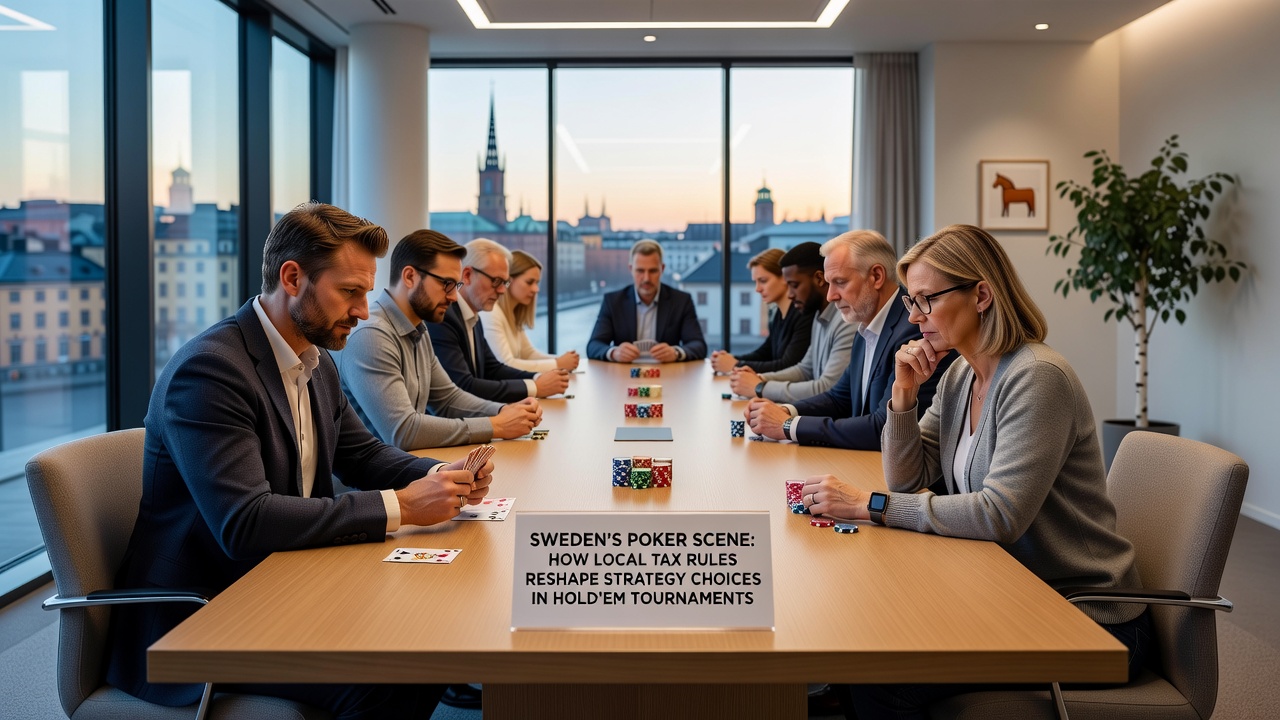
Sweden's Poker Scene: How Local Tax Rules Reshape Strategy Choices in Hold'em Tournaments
Sweden maintains a regulated gambling framework where local tax rules directly influence how participants approach Hold'em tournaments, particularly in terms of entry fee structures and prize pool calculations. Data from the Swedish Tax Agency shows that winnings from licensed operators remain exempt from personal income tax for players, yet tournament organizers must navigate specific reporting requirements that affect overall event economics and player decision-making processes.
Those who've studied Nordic gaming markets note that this tax treatment creates distinct incentives compared to jurisdictions where winnings face immediate deductions. Players often adjust their bankroll allocation models because the full prize amount reaches their accounts without withholding, which shifts focus toward maximizing volume in multi-table events rather than chasing single high-variance scores.
Tax Framework and Tournament Economics
Swedish regulations require operators holding local licenses to contribute portions of gross gaming revenue to state funds, yet this burden falls on the business side and leaves player winnings untouched. Figures released by government sources indicate that licensed poker rooms must maintain transparent prize distributions, which encourages tournament directors to structure buy-ins in ways that account for these operator costs without passing tax liabilities downstream to competitors.
Observers note that this setup differs from systems in parts of North America where withholding occurs at source. As a result, Swedish players frequently recalibrate their risk thresholds in late stages, knowing that declared winnings carry no additional fiscal drag that might otherwise prompt more conservative play to protect net returns.
Strategic Adjustments in Hold'em Play
Research indicates that participants factor the tax-free status into pre-tournament planning by increasing the number of events they enter within a given period. Because no portion of the payout gets subtracted at distribution, players can sustain higher variance strategies such as wider early-position ranges or aggressive three-bet defenses without the same pressure to preserve capital against potential tax hits.
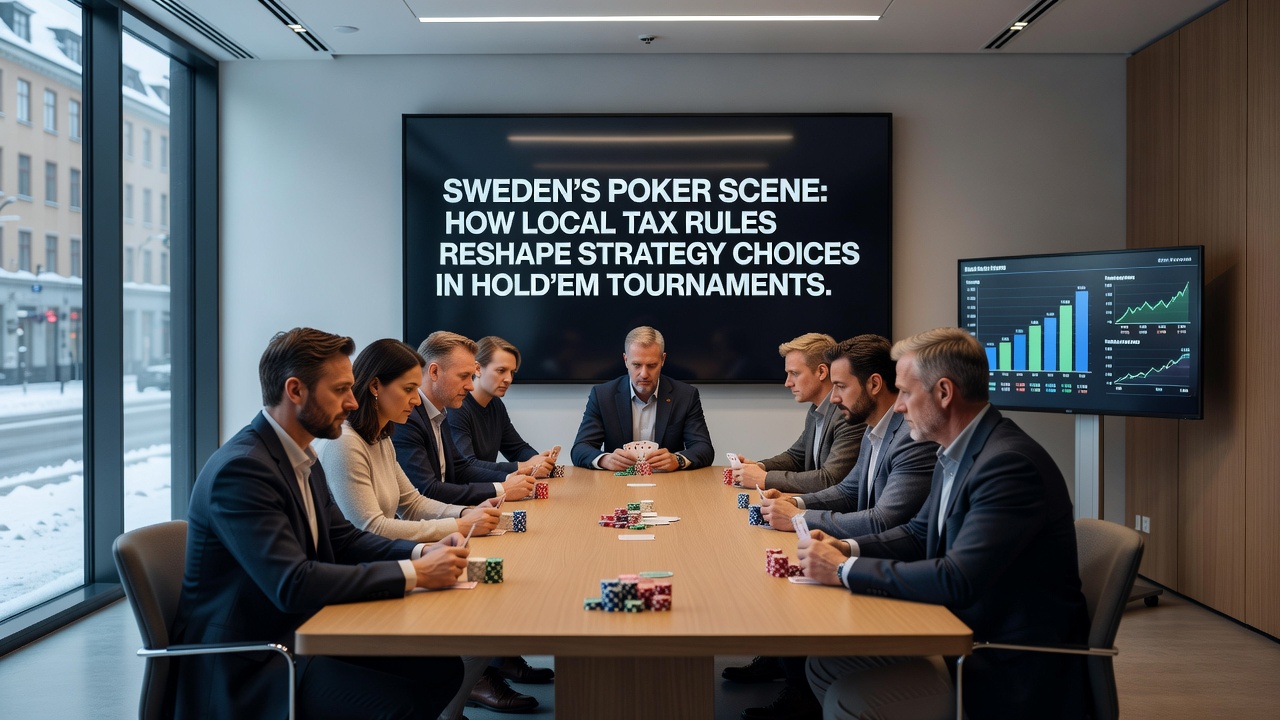
One documented pattern emerges in final table negotiations where Swedish competitors push for deals that reflect full prize values rather than discounted figures. Data shows this behavior stems directly from the absence of tax considerations that might otherwise complicate ICM calculations in taxed markets. Tournament results from major Nordic circuits reveal players adopting wider calling ranges in bubble situations because the upside remains undiminished by fiscal deductions.
Impact on Bankroll Management and Event Selection
Those tracking player movement across European circuits report that Swedish professionals often prioritize volume-based approaches in local series because the tax environment supports repeated entries without cumulative erosion of profits. This pattern appears in scheduling decisions around international stops, including the WSOP Circuit stop scheduled for Paris in September 2026, where participants weigh travel costs against the preserved prize integrity they enjoy at home.
Studies from regional gaming associations highlight how bankroll formulas incorporate higher shot-taking frequencies under these rules. Instead of reserving larger cushions for potential tax events, players allocate resources toward satellite qualification paths and lower buy-in satellites that feed into flagship events, expanding the overall field sizes observed in regulated Swedish venues.
Comparative Context Across Markets
Evidence from international reports, including analyses by the European Gaming and Betting Association, demonstrates that tax-free player treatment correlates with elevated participation rates in multi-day Hold'em formats. Swedish data aligns with this trend, showing sustained growth in tournament entries at licensed sites while neighboring markets with different tax treatments exhibit slower volume increases.
Players crossing borders must therefore recalibrate their models when moving between tax regimes, a factor that influences which events receive priority in annual calendars. Reports from academic research groups in Australia further support the observation that clear tax signals lead to more predictable strategic patterns within individual player pools.
Conclusion
Swedish tax rules continue to shape Hold'em tournament dynamics through their influence on prize retention, entry volume, and risk calibration. As events evolve toward 2026 and beyond, the interplay between these regulations and player choices remains a measurable driver of scene development in the Nordic region.